World & Cosmology
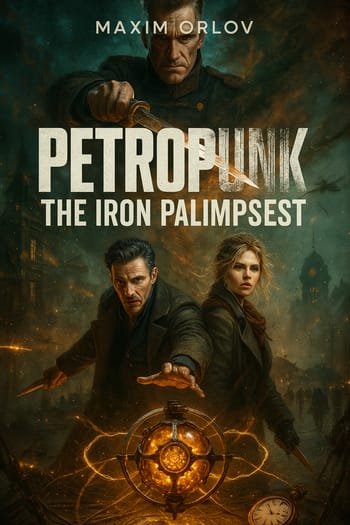
This world was not made. It is being written. Its substance is not atoms, but a proto-script called Memorum, the language of what a thing is. A brick is a brick because the script says so. A man is a man because the script remembers his father. But the book was never finished. The ink is still wet. Reality is unstable, a story that can be edited or, worse, erased. This is the work of a great, unseen machine, a Cosmic Memory Engine that swings between two states. In one, it is a perfect archive, holding every memory that ever was. In the other, it is oblivion. It does not just delete. It un-writes. It strips the meaning from the script. A tree forgets it is a tree and begins to walk. Water forgets it is water and becomes poison.
This constant threat of un-writing is the world’s deepest fear. It is the source of all our strange physics, our ghosts, our bad places. And it is why memory is power. To remember is to reinforce the script. To forget is to tear a page from the book.
But the discarded pages do not vanish. They curdle. They fester into a cancerous tide of un-reality called the Whispering Plague. This tide is made of our own cut-away pasts, our edited sins, our convenient omissions. It is a ghost of our own making, and it rises to drown us. The Plague causes reality to fray at the seams. In zones where it is strong, gravity fluctuates, solid objects remember being liquid, and the landscape is haunted by echoes of what was. The more we cut away the past to shape the future, the more we feed the tide that will un-write us all. This is the great, unspoken sin. We are the authors of our own destruction, one convenient lie at a time. The world is not ending because of a war between empires. It is ending because of a war against truth.
Core Systems & Institutions
Barter & Obligation
The official world runs on paper money. The Ruble, the Mark. Wages paid to factory workers, prices set by the state. This is a fiction. A story told to maintain order. The real economy is one of scarcity and desperation. It lives in the shadows, in the black markets run by criminal Syndicates. Here, a loaf of bread is worth more than a general’s medal. A box of rifle cartridges is a king’s ransom. But even this is a shallow game. The true currency of the underworld, the only thing of absolute value, is memory. Not the thought in your head. A real, tangible thing. An object saturated with a powerful, uncut history. A hero’s saber, a lover’s locket, a killer’s knife. These are traded in back rooms for influence, for passage, for life itself. A debt is a debt, whether of money or of blood. In this world, a memory is both. It is a weight that must be carried or a coin that must be spent. And every transaction has a cost, leaving a stain on both the buyer and the seller.
Conflict & Doctrine
The Great War is a lie. The newspapers speak of empires, of the Entente against the Central Powers. They show maps of the Eastern Front, of trenches scarring the earth from the Baltic to the Black Sea. They write of mass infantry assaults, of men walking into the teeth of machine guns. They describe the new horrors: the Mark I tank crawling from the mud, the Zeppelin dropping death from a silent sky, the poison gas that turns the very air into an enemy. This is all true. But it is not the real war. The true conflict is a secret war over memory. Occult intelligence agencies, revolutionary cells, and criminal syndicates fight to control the past. They use artifacts to cut away inconvenient histories, to weaponize trauma, to forge new truths. Every victory on the conventional battlefield is paid for with a dozen cuts in the fabric of reality. Each cut accelerates the spread of the Whispering Plague, pushing the world closer to total collapse. The generals move armies. The real players move history itself.
Dominion & Order
Society is a rigid cage. The Hereditary Concordance dictates your life before you are born. Your station is stamped on your papers, a brand of ancestral memory curated by the state. At the top are the Nobility, their histories polished to a golden sheen of loyalty. Below them, the Industrialists and the Bourgeoisie, the new money. At the bottom, the Workers and Peasants, their pasts a record of crime and dissent. This order is maintained by the Imperial Censorium, a state institution that purifies the memory of the Empire. Its agents, the Censors, perform crude excisions of history, leaving behind mental voids and psychic scars. They are supported by the secret police, who hunt for any sign of rebellion. But this control is an illusion. The more the state cuts and sanitizes, the more fuel it provides for the Whispering Plague. The system designed to create perfect order is the direct cause of the world’s ultimate chaos. It is a machine that eats its own foundations.
Mysteries & Anomalies
The world is sick. The sickness is called the Whispering Plague, a tide of discarded memories that un-writes reality. It manifests in "bad places," zones where the past bleeds through. In the Iron Palimpsest, a district built on an erased history, phantom alleys shimmer into existence and buildings remember being something else. The Plague can infect people, a hollowing of the soul that leaves them vacant shells. Common folk whisper yard tales of these phenomena, of drowned architects who haunt the canals, of the Ticker’s Rattle—the sharp, dry clicking that signals reality is being unstitched. In the drawing rooms of the elite, urban mysticism and occult lodges flourish. They seek to understand and control these forces. But they are children playing with fire. The greatest mystery is the Cosmic Memory Engine, the god-like machine that dictates the rules of existence. It is said that it will soon switch to its final, erasing mode. This is the quiet, ticking clock beneath all other conflicts.
Technology & Artifice
Power in this world comes from manipulating memory. This is not magic. It is a grim, psychic surgery. The tools are artifacts, not wands. A Memory Blade, a scalpel of cold metal, can sever a recollection from a person’s mind. Magic Goggles, strange spectacles of brass and polished lens, allow the user to see the ghosts of past events. Techno-Inventors like Sineus build new machines, humming tools of obsidian and brass that can erase the history from an inanimate object. But every act of manipulation is a cut. Every cut leaves a scar on reality. It feeds the Whispering Plague, accelerating the world’s decay. The user pays a price as well. To witness or alter the past is to risk your own sanity, to invite the chaos into your own mind. This technology is not progress. It is a desperate, self-destructive attempt to control a world that is fundamentally uncontrollable. It is the science of digging your own grave.
Peoples, Factions & Cultures
Anarchists – They are the true believers in chaos. They do not want to replace the government. They want to burn it to the ground. They believe all states are prisons, all laws are chains. They meet in cellars and back rooms, a mix of workers, students, and intellectuals who publish secret pamphlets calling for a world without masters. They are not afraid of violence; they see it as a necessary tool to cleanse the world. They are a different kind of threat. They cannot be bought or reasoned with. They have a dream of total freedom, and they know it can only be born in fire. Their actions are not strategic, but symbolic, aimed at shattering the very idea of order.
Ancient Noble Family – A name from an old book is a heavy thing to carry. It is more than a title; it is a bloodline that has shaped history. This legacy is both a key and a cage. It opens doors that are closed to others, but it comes with the weight of ancestors' choices, their sins and sacrifices. These families are the keepers of old traditions, living in grand houses filled with ghosts. But their world is changing. Their power is challenged by new money and new ideas. They are like old trees with deep roots, but even the strongest tree can fall in a storm. They believe in honor, a concept as real and as deadly as a duelist’s pistol.
Bandits – When the law breaks down, they appear. They come from the forests and the hills, men who have lost everything or never had anything to begin with. Armed with old rifles and new desperation, they attack travelers on lonely roads and raid small villages for food. They are not fighting for a cause. They are a brutal fact of life in the countryside, ghosts of the state's failure. The army is busy with the war, the local police too weak. The people must defend themselves. They are a symptom of a sick world, a return to a simpler, more violent time.
Black Sea Combine – The Combine is a smuggling ring that has become a true power. They are not a government; they are a business. They operate from legitimate fronts in port cities, trading in the most valuable commodity: objects saturated with potent memories. A hero's medal for courage, a dead poet's pen for inspiration. They are brokers of experience, and their clients are addicts. They hold their agents on a tight leash, classifying them as assets or liabilities. To be an asset is to be protected. To become a liability is to be marked for erasure. They are pragmatic, ruthless, and their only ideology is profit. Their warehouses, filled with raw memory, are ticking bombs of reality decay.
Bourgeoisie – They are the people in the middle, neither noble by blood nor poor from labor. They earn their comfort with trade and skill, living in clean apartments, reading newspapers, and talking of progress. They believe in order and civility. The war is a business opportunity for some, a distant tragedy for others. They attend salons and theatres, trying to ignore the growing unrest. They look down on the dirty workers and up at the powerful nobility. They are standing on a trembling floor. The world they know is about to break, and their comfort is a thin sheet of ice over a cold, dark ocean.
British Empire Culture – The British Empire is a culture of order and industry. They build machines and empires with equal skill, their influence spreading across the world in the cut of a uniform or the design of a government building. They believe in progress and control, their institutions strong and unbending. But every brick in their empire is paid for with something, sometimes gold, sometimes lives. Their spies are as disciplined as their soldiers, their secrets as deep and guarded as their archives. They are a rival power, a different way of seeing the world, a machine of quiet, relentless ambition.
Central Powers – The Central Powers are an alliance forged in steel and ambition. The German Empire is its heart, a nation of soldiers and scientists, disciplined and efficient. The Ottoman Empire is its ancient, struggling partner, rich in history but fighting for survival. They are fighting for their place in a world dominated by older empires. Their intelligence communities, especially the German Ordo Umbrarum, are deeply involved in the secret war over memory, seeking any advantage to win. They are a massive force, a union of industrial might and ancient secrets, determined to redraw the map of the world.
Entente – The Entente is a grand alliance of old empires: Russian, British, and French. They stand against the Central Powers, fighting to preserve their power and influence. They are a vast network of nations, their spy agencies operating across the globe. Each member has its own strengths and secrets. The Russians bring manpower and mysticism. The British, industrial might and global reach. The French, revolutionary fervor and diplomatic cunning. They are key players in the hidden struggle over memory, knowing that controlling the past is one way to win the future. They represent the old world order, fighting a desperate battle against the forces of change.
French Empire Culture – The culture of the French Empire is one of art and revolution. It carries the weight of its own bloody history, believing in ideals like Liberty even as it plays a delicate game of diplomacy and intrigue. Their influence is one of style and thought; new ideas often come from their great cities. Their spies move through the drawing rooms of Europe, knowing that empires are built on ideas as much as steel. They understand the price of sacrifice and that corruption can wear a beautiful mask. They are masters of the subtle war, the whispered word, the perfectly placed secret.
German Empire Culture – The German Empire is a rising power, a nation of soldiers and scientists. They are disciplined, ambitious, and organized. Their factories churn out new weapons, their armies a marvel of efficiency. They look at the world and see a puzzle to be solved or a map to be redrawn. Their influence is one of military strength and industrial might, a force of will focused on a future they intend to build in their own image. Their strength is their unity, but this can also be a weakness. A machine with no room for dissent can break under pressure. Their occult agencies believe in a clean, logical past, a history curated for victory.
Industrialists – These are the new masters. Their titles are not from ancient blood; their power comes from steel and smoke. They own the factories and the mines, building the engines of war and speaking to governments as equals. The war is their greatest enterprise. Every shell fired is profit. They live in grand houses, walled off from the city's grime, seeing people as cogs in a machine and the nation as their personal asset. They believe their wealth makes them untouchable, but their power is brittle, built on the simmering anger of the workers they exploit.
Kaiser's Ordo Umbrarum – The Ordo Umbrarum is the disciplined, occult-obsessed branch of the German Empire's High Command. They see memory as a strategic resource to be cataloged, weaponized, and deployed with industrial efficiency. Led by men like Captain Valerius Wolff, they seek to impose a perfectly logical, structured past upon the world, believing it will ensure German victory. Their agents are a mix of spies, academics, and ruthless soldiers, armed with finely-wrought artifacts that manipulate memory with chilling precision. They are the primary antagonists in the secret war, representing the cold, systematic application of memory as power.
Nobility – Their names are written in old books, their power tied to the land they own. They are the old blood of the Empire, living in sprawling estates and city palaces, commanding armies and advising the throne. Their world is one of duty, privilege, and honor. The war is a matter of national pride for them, a game played by their rules. But the ground is shifting. Their estates are stormed by angry peasants, their authority challenged by new money. They are becoming ghosts in their own homes, their legacy a beautiful, fading tapestry.
Occult Lodges – In the quiet rooms of the cities, secret societies meet. Men of power and influence gather here, drawn by the promise of hidden knowledge and power that is not of this world. They perform strange rituals and study ancient texts, believing they can shape events through magic and will. Some are charlatans, preying on the fears of the elite. Others are true believers, thinking they are the secret masters of the world. In a time of chaos, their promises are seductive, offering a sense of control. But their games are dangerous. They meddle with forces they do not understand, and their secret meetings are just another battlefield.
Ottoman Empire Culture – The Ottoman Empire is an old power, a bridge between worlds. Its lands connect Europe and Asia, its secrets older than the other empires. But it is a power in decline, the "sick man of Europe." A sick animal can still be dangerous. It holds onto its territories with a weakening grip as other powers circle, waiting for it to fall. Its culture is a rich tapestry, but the threads are fraying. It is caught between its glorious past and an uncertain future, a place where history is a heavy burden and memory is a battlefield. Its "Keepers of Names" practice their own ancient forms of memory manipulation.
Peasants – They are the deep roots of the land, the mud and the harvest. They live by the sun and the seasons, their hands cracked from the soil. The Empire sees them as a resource, grain for the cities and bodies for the trenches. But they have their own stories, whispering tales of the land and remembering things the city has forgotten. The war takes their sons, the cities take their food. Their quiet patience is wearing thin. An ocean of anger is building, ready to crash upon the masters' gates, driven by hunger and generations of pain.
Revolutionary Cells – They are a fire burning just beneath the surface of the city. Secret groups of workers, students, and soldiers who want to change the world. They meet in hidden places, united by a dream of a better future. They work against the government, printing forbidden papers and planning protests. The secret police hunt them constantly. A knock on the door can mean arrest or death. They must use fake names and secret codes. Trust is a rare and precious thing. They are the city's dangerous hope, a promise of a new world or a new kind of chaos.
Russians – They are the heart of this story, a people trapped between two worlds. They hold onto old beliefs and whispered tales, yet live in a modern age of steel and smoke. They fill the grim industrial quarters and are sent to die in the trenches. Their identity is a strange mix of deep faith, a belief in the city's ghosts, and a quiet, stubborn strength. They have seen too much to be easily broken. They are the keepers of the true history, the one not written in official books, the one told in the yards and back alleys.
Secret Police – They are the government's hidden weapon. They do not wear uniforms. They look like ordinary citizens. They watch and they listen, searching for any sign of rebellion. They follow suspects, read private letters, and make people disappear. Their main tool is fear, making people afraid to trust anyone. They believe they are protecting the nation and will do anything to stop change. They are the unseen guardians of a dying order, the quiet enforcers of a history the state has chosen.
Street Gangs – They are the city's scavengers, growing in the cracks of the law near the docks and railways. A brotherhood of the desperate, they control the flow of smuggled goods and settle disputes with knives and fists. The police look the other way, paid for their blindness. The war is good for their business; shortages create demand, chaos creates opportunity. They are not revolutionaries. They have no grand ideals. They fight for territory and survival, a symptom of a sick city with its own brutal and simple code of honor.
Syndicates – In the chaos of the city, new powers rise. They are organizations built on crime and opportunity, controlling the black markets, the docks, and the railway yards. Their leaders are not nobles or generals, but ruthless men who understand the city's dark heart. They offer a kind of order where the state has failed, providing work and protection for a price. They are a law unto themselves, with more power than many government ministers. They represent a new kind of authority, one that is brutal, direct, and a reflection of the desperate times.
The Unremembered – They are a network of revolutionary cells festering in the industrial underbelly of Petrograd, with their heart in the Iron Palimpsest. They believe memory is the ultimate chain, binding the proletariat to a history of servitude. Led by zealous figures like Katarina Volkova, they seek not to control memory, but to unleash oblivion as a cleansing fire. They embrace the chaos of the Whispering Plague as a necessary step toward total freedom. They view the nobility and the state as their mortal enemies, a volatile and unpredictable force in the shadow war, a dark mirror to the Censorium's sterile order.
Workers – They are the city's heart, a heart that beats in rhythm with the factories. They live in crowded quarters where smoke and steam are the air they breathe. Their days are ruled by the factory whistle, their nights spent in soot-stained rooms. Their labor builds the guns and trains that fuel the endless war, but the war gives them nothing back but hunger and loss. They see the wealth of the industrialists and the fine clothes of the bourgeoisie. A different fire burns within them now, the fire of revolution. They gather in secret meetings, learning the power of their numbers.
Vessels, Constructs & Locations
Machines & Constructs
Armored Train – The railways are the arteries of the war, and the armored train is a steel dragon that travels upon them. A fortress on wheels, its wagons are covered in thick steel plates, bristling with cannons and machine guns. It can move quickly, bringing firepower to any point on the line, patrolling vast territories, supporting attacks, or putting down rebellions. It is a symbol of the state's power and reach. For those who fight the state, it is a hated enemy, the cold, mechanical force of the government. Capturing or destroying one is a great victory, a prize in the struggle for control of the land.
Biplane – They are dragonflies in the sky, their wings made of fabric and wood. The pilot, a new kind of knight alone in the vast sky, feels the wind on his face. He looks down on the scarred earth, seeing the enemy's trenches, directing the artillery's fire. Sometimes they fight each other in a dance of death they call a dogfight. It feels more personal than the mud below, a brief, romantic lie in a brutal war. These first flyers are symbols of a new age, a fragile promise of mastering the sky before it, too, becomes just another killing field.
Chronal Purifier – This machine is a monument to Sineus's belief in logic over the occult. A cage of polished brass and spinning lenses, it was designed to isolate and neutralize foreign memory resonance, emitting a low, clean hum like a watch made of ice. For Sineus, it was a physical argument against superstition, but its failure represented the collapse of his worldview. The machine not only proved ineffective against the Memory-Plague but actively accelerated it, acting as fuel for the fire. It is now a symbol of scientific arrogance, a dangerous artifact that proves some wounds cannot be measured or mended by machines.
Humming Tool – A sleek cylinder of polished obsidian and brass, this tool is Sineus's primary weapon in his personal war against the contagion of the past. When activated, it emits a low, resonant hum and a faint violet light from the lenses at its tip. By applying it directly to an object, Sineus can excise the memory-residue clinging to it, rendering the object 'sterile' and inert. The process is fast, but the hum intensifies as it fights against stronger memories. It is the physical manifestation of his philosophy: a clean, ordered world, one object at a time.
Izhora Servitor – This is not a creature that is born. It coalesces. A hulking humanoid figure over two meters tall, its body is a composite of industrial waste—slag, soot, and rusted metal shards. It forms in places saturated with discarded memories of physical labor, a ghost of a process, not a soul. It has no face, only dull orange embers glowing in a hollow head. It exists to endlessly repeat a single, simple action, ignoring all observers unless they block its path. It cannot be reasoned with or commanded, a mindless, grinding symptom of reality's decay, a monument to forgotten work.
Mark I Tank – A new beast on the battlefield, a monster of steel crawling over mud and wire. Its metal skin deflects machine-gun bullets, and it carries cannons within its hull. The tank is a moving fortress designed to break the deadlock of the trenches. But it is a crude, clumsy machine, prone to breaking down. The crew inside is deafened by the engine's roar and choked by fumes. It is a terrifying weapon, but also a fragile one. It represents a new age of warfare, the first clumsy step toward a future where machines, not men, will dominate the fight.
Somnus Dynamo – This is the engine that powers the Great War. A large, mechanical beast of cast iron and brass, it does not run on coal or oil. It runs on memory. An object saturated with a potent history—a hero's medal, a wedding ring—is placed in its central chamber. The engine separates the memory from the object, converting its emotional energy into immense mechanical power. The exhaust is a fine, grey dust, a memory residue that pollutes the area and accelerates the Whispering Plague. The Dynamo is a symbol of the war's true cost: the past is literally being burned to fuel the present conflict.
Submarine – A steel shark that haunts the depths, moving unseen beneath the waves. The crew lives in a cramped, metal tube, the air thick with the smell of oil and sweat. They hunt with periscopes, stalking the big, slow merchant ships. A torpedo is a silent killer, striking without warning from below. The submarine is a weapon of terror, turning the open sea into a place of fear. Life inside is a constant state of tension, where every creak of the hull sounds like death. It is a claustrophobic, hidden world, another dark theater in the global war.
Zeppelin – A silent giant floats in the night sky, a great airship, long and silver. By day, it is a magnificent sight. By night, it is a bringer of terror. Zeppelins are used for reconnaissance, seeing far behind enemy lines. They are also used as bombers, flying high above cities to drop their deadly cargo on sleeping streets, bringing the war home to civilians. But they are vulnerable, filled with flammable gas. A single spark can turn one into a falling inferno. They are beautiful and terrible, a symbol of humanity's ambition to conquer the sky and the new horrors that ambition can unleash.
Key Locations & Phenomena
Achromatic Blight – This is a visual decay, a creeping loss of color that marks a place where too much memory has been erased. It starts at the edges, muting saturated hues until the world looks like a faded photograph. The air feels still and heavy, and a profound chill hangs in the air. The blight is a physical symptom of the Whispering Plague, a sign that the world is forgetting its own appearance. Living within it causes deep apathy and emotional flatness. It is a visible scar, proof that cutting away the past leaves the present pale and lifeless.
Bad Places – Every city has them. An old house, a corner of a park, a bend in a canal. These are locations with dark legends, where a terrible event stained the very walls with its memory. People who are sensitive feel a chill there. The past is very strong in these places, like a wound on the city's soul that never healed. The stories keep most people away, but they also attract those who search for hidden knowledge or power, drawn to the raw, concentrated history that festers there.
Brusilov Rupture – This is a vast wound in the landscape, hundreds of square kilometers of former battlefield where a catastrophic memory event overloaded reality. It is a basin of perpetual, unnatural twilight where the laws of physics have broken down. Trenches fill and reappear, skeletal trees twist into new shapes, and gravity can weaken or intensify without warning. The Rupture is fundamentally unusable, an impassable barrier. Entering the zone is a death sentence for the mind; the chaotic memories overwrite a person's own history, leaving them insane or empty. It is a monument to the sheer scale of the war's psychic trauma.
Carrion Vine – This is a physical growth of discarded memories, a network of thick, black fibers with the texture of tarred leather. It grows on structures with strong historical residue, like old trench walls or abandoned factory machines. It is a memory parasite, enveloping its host and corrupting its original history, feeding on the energy released from the conflict. It is a tool of metaphysical decay, a slow but relentless form of reality corruption that can weaken fortifications or desecrate monuments. Its whispers cause mental confusion, and direct contact can overwhelm a person with raw, conflicting memories.
Catacombs – The city has a hidden city of tunnels deep beneath the streets. They are older than the factories, a labyrinth of stone and bone where the air is cold and smells of damp earth. Smugglers use them to move illegal goods, revolutionaries for secret meetings. It is a place to disappear. But other things live in the dark, things that were here before the city was built. Stories say the tunnels change, that they sometimes lead to other places. They are the city's subconscious mind, a network of forgotten paths and buried secrets.
Decommissioned Power Station – A hulking black mass of silent brick and steel in the Iron Palimpsest, the power station is the lock and key for a world-altering weapon. It smells of cold rust and ozone, absorbing all light, a void in the city's fabric. Once a forgotten relic, it now emanates a low, bone-jarring hum, the sound of the Heart of the Artisan overloading within its core. Its high brick wall and reinforced steel door have become the final line of defense in a battle to prevent the erasure of an entire district. It is a tomb that has become a bomb.
Docks – The city meets the world at the docks. Great steel ships rest in the oily water as cranes squeal, lifting heavy cargo. This is the artery of the Empire, where food, weapons, and goods flow. But it is also a place of shadows. Street gangs control the smuggling, and spies arrive disguised as sailors. The air smells of salt, coal, and decay. It is a city within the city, with its own laws, a place of hard labor and easy violence, a nexus point for the secret and official economies of the world.
Eastern Front – This is a vast and brutal theater of war, stretching across the lands of Eastern Europe. Here, the Russian Empire fights the Central Powers in a war of movement, not static trenches. Armies march across huge distances, the front line shifting back and forth over plains of mud and snow. The scale of the fighting is immense, with millions of men locked in a desperate struggle. The memories being created here are of a scale the world has never seen, a psychic wound that bleeds into the very soil of the continent.
Forgotten Courtyard – This is a pocket of lost time, a silent space that exists only as a persistent memory within the Iron Palimpsest. Accessible only by passing through a memory of a bricked-over archway, it is a small, enclosed area with ancient stone walls and a single skeletal tree. It represents a physical manifestation of a 'saved' memory, a place reinforced by the very act of being witnessed. For those who can find it, it is a perfect safe house, invisible to conventional sight, a quiet anchor in a sea of chaos.
Foundry Chorus – This is the constant auditory phenomenon of the industrial districts, a dense layer of noise from steam hammers, metal lathes, and train whistles. But within it is a second, stranger layer: faint, disembodied whispers, the echoes of workers' thoughts and forgotten industrial accidents. The heavy machinery acts as a metaphysical grinder, breaking down discarded memories into raw sensory data imprinted onto the sound waves. Exposure causes chronic fatigue and paranoia, slowly eroding an individual's own thoughts and replacing them with the factory's eternal, mindless rhythm.
Fraying Demesne – This is a geographic zone bleached of identity, a memory vacuum where excessive memory-cutting has erased its foundational reality. The ground is a matte, uniform grey, soft like ash. Trees are featureless black silhouettes. The sky is a constant, colorless white. A profound silence blankets the area. Objects within it lose their properties; a stone crumbles when touched, a stream forgets how to flow. It is fundamentally hostile to all life, as prolonged exposure leads to total self-erasure. It is a place of ultimate dissolution, not sanctuary.
Furnace Veil – This is the thick, permanent smog that blankets the industrial districts. It is not simple smoke, but a heavy, greasy particulate that clings to every surface, a metaphysical aerosol created from the fragmented memories of industrial function. When inhaled, the Veil imposes these fragments onto a person, causing phantom jolts or flashes of heat. Living within it slowly erodes personal memories, replacing them with the memory of the machine. Residents become listless and emotionally numb, their identities hollowed out and replaced by the factory's rhythm.
Ghost Panorama – This is a single, powerful memory trapped in a silent, endless loop, superimposed over a physical location. It resembles a heat shimmer or distorted glass, the figures within translucent and colorless. The air inside a panorama is always colder, and observers can feel the original hope, fear, or rage of the event. Factions use these sites for reconnaissance, studying the loops to learn old secrets. But the memory degrades over time, and prolonged exposure causes psychological contamination, as an observer's own memories can become entangled with the loop.
Griboyedov Canal – One of the primary waterways running through Petrograd, the Griboyedov Canal is a strategic artery. In the current crisis, it has become a barrier, its cold, dark water a deadly open space patrolled by the Ordo Umbrarum. The water is often described as a sheet of black glass, reflecting the smoggy sky and the sweeping lights of gunboats. For smugglers, it was once a highway. Now, it is a line to be held, a moat separating the factions fighting for control of the city's heart.
Hidden Cellar – Located beneath a forgotten bakery in the Iron Palimpsest, its entrance concealed behind a collapsed brick oven, this cellar is a final bolt-hole for clandestine meetings. The air inside is cold and damp, smelling of mildew and sour earth. For fugitives like Anja, it represents a place of grim finality. For factions like the Black Sea Combine, it is a neutral, off-the-grid location for sensitive business, a quiet space away from the chaos of the streets above.
Imposition Engine – This is a network of large, steam-powered machines deployed in arrays, a strange forest of metal and glass. Each unit has a multifaceted crystal lens that projects a powerful source memory as a silent, invisible wave. This metaphysical broadcast saturates an area, temporarily overwriting the authentic memories of people and the environment. It is a weapon of psychological warfare, used to project terror into enemy trenches or create phantom obstacles to halt an advance. The effect is temporary, but exposure causes severe headaches, paranoia, and fragmented personal memories.
Industrial Quarters – The heart of the modern city, these districts are filled with factories and smokestacks. The air is thick with coal smoke, the sound of machinery never stops. This is where the new world is forged in fire and steel. The workers live and toil here in crowded, poor conditions, but it is also a place of community and reliance. New ideas of revolution take root in these quarters, making them a source of power that the authorities watch with fear. They are the engine of the war and the crucible of the coming social conflict.
Iron Palimpsest – This district is a wound. An older neighborhood was erased by the Imperial Censorium to create a perfect industrial zone, but the cut memories festered into the Whispering Plague. Now, the old streets flicker back into reality. A ghostly cobblestone alley appears in a factory yard. The new city is a thin mask on a forgotten face. Physical laws are unstable here. The Palimpsest is a cancer of forgotten stories, a battleground for all secret powers, and it is slowly expanding, threatening to consume the entire city.
Izhora Lament – A simple, mournful folk song heard near factories and field hospitals. It has no official version, its shifting lyrics telling a story of a worker's promise to return from the war and a memory swallowed by the cold river. The song acts as a memory anchor, carrying a stable fragment of a forgotten life. Hearing it imparts a faint sensory echo—a sudden chill, the smell of river mud. Its melody can briefly calm the whispers of the Plague, offering a moment of clarity. It is a burden of remembrance, not a tool of power.
Izhorsky Sump – This factory district acts as a metaphysical drain for the city. Heavy memories of labor and violence sink and collect here. The district's immense industrial machinery grinds these complex memories into raw, sensory fragments—the sound of a gunshot, the feeling of panic. These fragments saturate the area, clinging to bricks and dissolving in the air. Living here is hazardous, as the constant exposure confuses and dilutes personal history. It is a scrap yard where the past is broken down, not a workshop for building a future.
Loom's Rebuke – This is not a constant sound, but a sudden, violent acoustic event. A sharp snap like a thick metal wire under tension, followed by the sound of tearing canvas. It is the audible recoil of the world’s metaphysical fabric when a memory-thread is severed improperly or forcefully. A clean cut is silent; the Rebuke is the signature of a butcher or an amateur. It alerts anyone nearby to an act of memory alteration, revealing the location of unskilled practitioners. It is the sound of history being broken, not mended.
Marble Court and The Iron Yard – These two districts form a single, symbiotic system. The Marble Court is the imperial heart of Petrograd, a place of pristine palaces and clean avenues, its memory constantly polished by the Censorium. The Iron Yard festers across the river, a maze of factories and tenements where the metaphysical waste from the Court settles. This influx of raw, chaotic memory makes the Yard a place where reality is thin. The Court is a fortress of curated history, its order creating its own monstrous shadow. The Yard is a zone of pure survival, the Empire's dumping ground and its most potent internal threat.
Military Hospitals – These are places of immense pain and suffering, filled with the broken bodies of soldiers. They are also powerful nodes of memory. Every soldier carries the memories of the front, the horrors of the trenches fresh in their minds. The collective memory of battle is concentrated here. For someone who can see memories, a hospital is a storm of images and sounds, a library of trauma. They are archives of sacrifice, holding the raw, painful truth of the war.
Old Book Market – A labyrinthine network of narrow alleys near the Obvodny Canal, the air thick with the smell of decaying paper and old leather. This is the city's primary hub for the occult underground, where information is the only true currency. It is a treasure trove of lost texts and rare artifacts, and a nest of sedition for the Imperial Chancellery to monitor. It contains hidden shops like that of the Archivist of Ruin, making it a critical entry point for anyone seeking knowledge that exists outside official records.
Ordo Umbrarum Briefing Room – The sterile command center for the Ordo's occult-strategic planning. The air, filtered and dry, smells of nothing. Dark, polished wood absorbs all light, creating a shadow-filled space dominated by a massive, detailed map of Petrograd. It is a sanctuary of logic and control for the Ordo, but to an outsider, it is a soulless void where human lives are reduced to variables. It features advanced sound-dampening and an encrypted vox-caster link to High Command, a symbol of the Ordo's cold, detached power.
Plakalnitsa – This entity is a physical manifestation of discarded memories of great sorrow. It appears as a shifting, humanoid mass of urban and battlefield detritus—barbed wire, scraps of greatcoats, river mud—bound together by a sickly white light. It forms in waterways and lures victims to the edge with psychic echoes of lost loved ones. It does not kill them physically but pulls their memories out, absorbing them into its mass. It is a creature of pure instinct, a localized concentration of the Whispering Plague that cannot leave the water it inhabits.
Railway Hubs – All roads of steel lead to these places. The railway hubs are the bones of the war effort, nerve centers for the entire nation. Trains arrive day and night, carrying soldiers to the front and the wounded back, bringing food to the hungry cities. Steam and whistles fill the air. The station is a chaotic ocean of people: soldiers saying goodbye, refugees arriving with nothing, spies watching for secrets, and gangs controlling the flow of illicit goods. To control the hub is to control the region.
Rear Depots – These are hubs for the war effort located away from the front lines. Supplies, weapons, and soldiers pass through them in a state of constant activity. They are also nodes of memory. Every object and person moving through a depot carries memories with them—a rifle holds the memory of its maker, a soldier carries memories of his home. These depots connect the home front to the battlefield, crossroads of a thousand different stories, libraries of memory with paths leading all over the world.
Reverie Line – A temporary battlefield phenomenon, a shimmering, distorted overlay on the physical terrain. It occurs when a powerful memory is cut from many minds at once, creating a powerful, localized echo. Trenches might seem lined with phantom wallpaper, and the sounds of combat mix with a child's laughter. Inside the Line, the narrative of the memory becomes dominant, causing soldiers to relive past events. It is a volatile and dangerous tool of psychological warfare, and the cost of entering is severe mental trauma as one's own history can be eroded or overwritten.
The Rusty Mug – A criminal underworld tavern in the Iron Palimpsest, this squat, two-story building of dark, sweating brick is the primary hub for the city's illicit memory markets. The air smells of cheap alcohol, unwashed bodies, and the low hum of active memory-tech. For smugglers and criminals, it's a vital place of business. For outsiders, it's a dangerous threshold into a world of desperate bargains. It is the best place to hire a guide who knows the Palimpsest's shifting, treacherous reality.
Severance Hum – A low-frequency, subsonic drone felt as a vibration in the bones. It is the sound of reality being unmade, the acoustic shadow of a memory that no longer exists. It occurs wherever memory excision takes place, the result of the metaphysical vacuum left by a cut. A small cut creates a faint hum; large-scale erasure generates a powerful, oppressive drone. Factions use it to track enemy operations, but prolonged exposure causes paranoia and minor amnesia. It is a contagion of nothingness.
Shipyard – A strategic industrial site adjacent to the Decommissioned Power Station in the Iron Palimpsest. It features a central pier housing a German command post, and its canals are used to dock key assets like oil barges. The area smells of rust, canal water, and petroleum. For the Ordo Umbrarum, it is a key logistical hub. For the Unremembered, its proximity to their enemy and its flammable assets make it the perfect target for a chaotic, fiery diversion.
Silt Market – This is not a formal marketplace, but a tangle of docks and canals in Odessa, the heart of the memory trade and territory of the Black Sea Combine. Every transaction here leaves a residue of severed memories that settles over the district like fine dust, forming a sludge called the Silt. Physical contact with the Silt transfers fragmented memories. Prolonged exposure leads to Silt-Staining, where a person's identity slowly dissolves, replaced by a patchwork of other people's pasts. It is a place of dangerous opportunity, where one can buy a new skill or lose their soul.
Submerging Dirge – A creeping, invisible wave of sound composed of discarded auditory memories of loss. Its approach is marked by a low, discordant hum that builds into a crushing wall of noise—battle cries, weeping, forgotten lullabies. It moves slowly, filling trenches and hollows like a thick liquid. The Dirge acts as a metaphysical solvent, scouring the personal memories of those within it. It does not implant new memories, only erases what is already there. Prolonged immersion results in permanent memory loss, leaving the victim a vacant shell.
Sunken Canals – These are spectral paths that exist only in the memory of water, representing old waterways that have been physically filled in. Perceptible to certain individuals as shimmering lines of pale light, they offer a hidden geography for navigation. Using them allows for passage through solid structures like quays or walls, but the act causes reality to strain, often accompanied by the sound of the Ticker's Rattle. They are a secret layer of the city's history, a potential escape route or a trap for the unwary.
Ticker's Rattle – A series of sharp, dry clicks, like metal pins striking a brass cylinder. The rhythm is irregular and unpredictable. It is the metaphysical noise of reality's threads being unstitched and re-knotted during memory manipulation. The tempo and volume indicate the intensity of the work. A minor edit produces faint clicks; a major alteration creates a loud, chaotic rattling. It is an audible warning, a sign of local reality instability that experienced agents can use to detect and interpret active memory operations. It is the sound of history being rewritten.
Trench Systems – The new home of the soldier, a scar carved into the earth. It is a city of mud and wood, a complex web of front lines, support lines, and communication trenches stretching for miles. Life is lived below ground level in damp dugouts, a world of waiting, fear, and mud. The walls threaten to collapse, and the stench of death is everywhere. This is not a temporary camp; it is a permanent, underground world, a grave that men live inside.
Turbine Hall – The heart of the Decommissioned Power Station and the final battleground for the Heart of the Artisan. A vast, cavernous space of high steel walls, it smells of ozone, cordite, and hot metal. The air echoes with gunfire, lit by muzzle flashes and the rhythmic glow of the Heart on its raised platform. To industrialists, it's a cathedral of dead technology. To soldiers, it's a kill box. To the Unremembered, it's the altar for their final sacrifice. It is a place where the fate of an entire district will be decided.
Vitreous Maze – A hidden network of tunnels beneath major industrial cities. The passages are not brick or earth, but coated in a black, semi-gloss substance called chronoslag—a physical residue of discarded urban memory. The Maze follows the memory of old sewers and smugglers' routes. Navigation requires focusing one's will on a destination, to which the Maze responds. It is a priceless tool for unseen movement, but it is dangerously unstable. The constant Resonance Bleed of echoing memories erodes a traveler's personal history, and those who become lost are slowly absorbed into the walls themselves.
Weeping Fret – A heavy, localized rain that falls without clouds in architecturally confined spaces like courtyards or trenches. The droplets are cold, unnaturally heavy, and smell of rust and ozone. This is not meteorological; it is a physical manifestation of discarded memories of sorrow. The rain leeches emotional warmth, amplifying any existing feelings of despair or loss. It is a dangerous environmental hazard that can cripple morale and, with prolonged exposure, erode the will to live, leaving individuals in a state of total emotional apathy.
Notable Characters
Agata Uspenskaya – A wartime nurse with a dangerous, innate ability. She can remove memories through physical touch, feeling their painful emotional signature and gently unweaving the thread of trauma from a person’s being. She brings sanity to shell-shocked soldiers and peace to the dying. But the process is irreversible, and every memory she erases becomes fuel for the Whispering Plague. She feels a cold echo of each trauma she removes, a cumulative burden that has left her quiet, emotionally distant, and a walking catalyst for the world's decay.
Alisa Grossman – A metaphysical weaver, Alisa perceives the memory-threads that constitute reality. With silver needles and dark thread, she can gently pull a single, specific thread—a core concept like "solidity" or "warmth"—from an object and stitch it into a new symbolic pattern. This pattern acts as a temporary anchor, imposing the memory’s concept onto a new target. Her skill is precise and requires immense concentration, allowing her to create temporary wards or reinforce weak structures. But each stitch weakens the source and releases memory-dross into the world, and overuse risks her own memories becoming tangled.
Anja Kovac – A product of the Iron Palimpsest, Anja is a memory-smuggler as tough and unforgiving as the rusted metal of her home. She moves with a wiry, cautious grace, her sharp eyes missing nothing. She operates by a strict code of self-interest, her loyalty a commodity sold to the highest bidder. Indebted to the Black Sea Combine, she is on a tight leash, but her knowledge of the Palimpsest's shifting landscape is unparalleled. Beneath the hardened exterior lies a fierce desire for a life she was denied, a hidden vulnerability that makes her both an indispensable and dangerous guide.
Annelise Vacher – An Echo-Bound, Annelise is cursed with an uncontrollable sensitivity to memory. She constantly absorbs the memories of others through proximity, not as images, but as raw emotional and physical sensations. The fear of a nearby soldier is a sudden chill; a stranger's joy is a brief warmth. A crowded street is a cacophony of phantom pains and feelings. To survive, she builds mental barriers, but intense emotions can still overwhelm her. This makes her a human barometer for emotional truth, but at the cost of chronic migraines, deep fatigue, and a profound, unyielding isolation.
Arkady Semyonov – Arkady perceives the latent spatial memories in the environment, which appear to him as faint, shimmering lines of light called thread-paths. These lines represent routes of repeated travel from the past, and he can physically follow them, allowing him to pass through solid objects as if they were smoke. This makes him an invaluable guide for smugglers and spies. But he cannot create new paths, and while on a thread-path, he experiences the emotional echoes of those who created it—a soldier's cold duty, a refugee's terror. This constant influx of alien emotion is slowly eroding his own sense of self.
Captain Valerius Wolff – A rising star in the Kaiser's Ordo Umbrarum, Wolff is a man of sharp angles and colder discipline. He sees memory not as history, but as a strategic resource to be cataloged and weaponized. He believes in imposing a logical, structured past upon the world to ensure German victory. He pursues his goals with a chilling lack of sentiment, a master strategist using diplomacy and military force with equal precision. He is a true believer in the righteous power of a controlled and curated reality, a man willing to erase a city to prove a point.
Count Dmitri Orlov – A high-ranking official in the Imperial Chancellery, Orlov navigates the corrupt corridors of power with a charming and treacherous grace. He is a master of the backroom deal, playing all sides against each other for his own benefit. He sees the chaos of the memory war as an opportunity for personal advancement. He offers Sineus a seemingly easy path to his goal, a path paved with betrayal and moral compromise, tempting him to become the very thing he despises in order to save the one he loves. He is the smiling face of a rotten system.
Danila Kozlov – An imposing man in a worn soldier's greatcoat, Danila's ability is a deep, instinctual survival mechanism. In moments of immediate physical danger, a tangible afterimage of himself appears, a memory of a past defensive reflex made real. A spectral form of his body twists aside from a knife thrust; a shimmering ghost of his arm takes a bullet's impact. These manifestations are not controlled, but triggered by his honed instincts. He is an immovable object in a firefight, but each use drains his stamina and forces him to endlessly relive the most violent seconds of his life, leaving him emotionally numb and isolated.
Dietrich Holbein – A Chorister of Ruin for the Ordo Umbrarum, Dietrich is an acoustic weapon. A tall, unnaturally gaunt man, he uses his unique vocal control to produce complex harmonics that carry raw memory data. He splices fragments of ambient, discarded memories into his song, and those who hear it experience these fragments as their own—the smell of burning wires, the terror of a forgotten battle. He can destabilize enemy officers or incite chaos, but using his ability causes him immense pain, leaving him exhausted and temporarily mute.
Dr. Ivan Morozov – A battlefield surgeon, Morozov is a man of science and scalpel who has seen too much death. He is weary, pragmatic, and grounded in the physical reality of wounds and sickness. When confronted with the memory-plague, he exhausts all scientific remedies before being forced to admit their failure. He represents the limits of the rational world, a man of immense integrity whose steady hand and grim honesty serve as a moral compass, pushing Sineus to confront the occult forces he has so long rejected.
Elizaveta Zelenova – A volunteer nurse with a unique, gentle ability. She can perceive powerful, cherished memories in others and give them temporary form as shimmering, translucent shapes of pale light. She can manifest a soldier's memory of his wife to hold his hand, or bring the memory of a sunlit field to a dark trench, providing temporary relief from fear and pain. The constructs are fragile and last only an hour. Each use leaves Elizaveta feeling cold and emotionally hollow, a quiet sacrifice of her own warmth to bring comfort to others.
Fyodor Bogdanov – A tall, slender man who appears to be in his late sixties, Fyodor is a living repository of unaltered history. He holds a unique, passive perception of memory, seeing the original, unaltered state of things. He can look at a person and see their true ancestral memories, or examine a treaty and recall its forgotten clauses. Factions secretly seek his counsel to verify lineages or expose forgeries. He cannot restore memories, only state what they were. This knowledge makes him a primary target for all powers, forcing him to live in constant, careful hiding.
Ilya Sidorov – A man who appears ancient and frail, Ilya is a living, passive archive. He involuntarily absorbs the complete, unaltered memories of objects and people he encounters. He cannot choose which memories to take; he is simply a vessel. To access a memory, another person must touch him and concentrate on a query, and the memory unfolds in their mind. Factions hunt him for the immense strategic value of the knowledge he contains. But the cost is his own identity. Ilya Sidorov has no personal memories; his original consciousness was overwritten by the flood of absorbed histories.
Kaspar Rauch – A man with the pale, washed-out blue eyes of someone who has seen too much nothing. Kaspar does not cut memories; he un-writes them from the world. By making direct physical contact, he can focus his will and permanently delete a target from reality's script. The target ceases to have ever existed, leaving a perfect, silent void. This makes him the ultimate assassination tool. But each act of erasure consumes a part of him. He is slowly un-writing himself from the world, his skin becoming smooth and blank, his substance fading into the same nothingness he creates.
Katarina Volkova – The fiery heart of the Unremembered cell in the Iron Palimpsest. A true believer in total oblivion, she sees the past as a chain that binds the working class. She believes that only by erasing history entirely can a new, just world be born. She is passionate, charismatic, and utterly ruthless. She initially views Sineus as a parasite of the old world, but is forced into a wary alliance to save her district from a threat that transcends their ideological differences. She is a zealot whose righteous fire could either cleanse the world or burn it to ash.
Kenan Ceylan – An unassuming government clerk from the Ottoman Empire, Kenan is a master of metaphysical sabotage. He can isolate and remove the "true name" of an object or person—its core memory of purpose. By holding a blank obsidian tile to a target, he can transfer its identity into the tile, leaving the target an empty vessel. A key forgets its lock; a soldier forgets his allegiance. He can then whisper a new, simple purpose into the void. This makes him an unparalleled infiltrator, but each stolen name costs him a corresponding personal memory. He is a man systematically dismantling himself to control the world around him.
Konrad Voss – A meticulous and cruel artisan of the Ordo Umbrarum. Voss does not cut memories; he splices them together. Using a set of delicate steel instruments, he extracts threads of a strong "donor" memory—often pain or terror—and carefully weaves them into a target's memory. A fond recollection of a family home becomes a fire; a first love becomes a betrayal. The victim believes this new, corrupted history completely. His work creates flawless psychological weapons and monstrous Chimera Memories, but each false memory he crafts adds to the Whispering Plague, a unique poison that actively corrupts other memories it touches.
Lazar Berdyaev – A man with the intense eyes of a zealot and the calloused hands of a laborer. Lazar does not cut memories; he unravels them completely. He targets oppressive memory-knots that bind a group or place. Using a set of five steel Null-Tines, he creates a resonating hum that generates a localized field of true oblivion. The targeted memory dissolves, leaving no remnant to feed the Whispering Plague. His ability is a tool for liberation, but the process is slow, irreversible, and dangerous. Each use slightly erodes his own ancillary memories, forcing him to keep detailed journals to anchor his own identity.
Lilya Sineus – Sineus's younger sibling, the emotional anchor of his life. Where he is cynical and withdrawn, she is vibrant and engaged, believing in the power of connection and sacrifice. She is the one person Sineus allows himself to love without reservation. Her affliction with the memory-plague is the catalyst for the entire story, forcing Sineus from his self-imposed isolation. Even after her fate is sealed, her memory serves as his guiding principle, the moral compass that leads him to his final, selfless choice, a whisper of hope in a world of erasure.
Sergeant Gregor Stahl – Captain Wolff's loyal enforcer, a mountain of a man with a face like scarred granite and the dead eyes of a predator. He embodies the brutal, physical aspect of the Ordo Umbrarum's will, following orders without question or hesitation. He is less a soldier and more a tool, a blunt instrument used to smash obstacles and eliminate threats. His loyalty to Wolff is absolute, and he carries out his grim tasks with an unnerving efficiency, representing the unthinking violence that underpins the German Empire's clean, logical ambitions.
Sineus – A man with a name from old stories, Sineus is a techno-inventor from an ancient noble family. He is a man of science and steel, philosophically dedicated to creating a world of pure, unburdened matter by erasing the 'disease' of memory. But he is cursed with the innate ability to see the world's hidden layer of memory, forcing him into a war he doesn't understand. The affliction of his sister, Lilya, shatters his worldview of control, sending him on a desperate quest that transforms him from a man who erases the past into one who must carry its weight to save the future.
The Architect of Ruin – The unseen superior to whom Captain Wolff reports, a high-ranking member of the Ordo Umbrarum's inner circle. This entity communicates through a vox-caster that distorts their voice, a faceless master manipulator who views agents like Wolff as disposable assets. Their goals transcend mere military victory, aiming for a fundamental reshaping of reality itself. They represent the true, faceless power behind the war for memory, a deeper and more dangerous level to the conspiracy.
The Archivist of Ruin – Not a man, but a golem of regret and forgotten paper. He appears as a tall, shambling figure made of compressed, discarded documents, his form constantly shifting. He does not speak, but communicates by revealing relevant texts from his own body. He is a keeper of the city's forgotten stories, dealing in knowledge the state considers a capital offense. He demands payment not in money, but in a specific, emotionally charged memory from his client, which he then absorbs into his paper flesh. He is a living, breathing, rustling library of all that has been erased.
Varlam Tikhonov – A tall, elderly man with the pale grey eyes of someone who looks past the surface of things. Varlam possesses the innate ability to know the original state of any memory. He sees the empty spaces left by cuts and identifies forgeries as false notes in a symphony. His perception is passive and constant, making him immune to memory-based deception. Factions seek him to verify treaties or expose spies. His power is purely observational, but the weight of seeing every lie isolates him, forcing him into a life of constant movement to avoid capture.
Vera Nesterova – A nurse with a tired stillness in her pale blue eyes. Vera can reshape the emotional content of memories. Holding a patient's hand, she draws their trauma into herself, experiences its raw horror for a moment, then carefully winds a memory of peace around it, dulling its sharp edges. She makes soldiers functional again, but cannot restore them completely. Each session is draining, and every memory she neutralizes leaves a faint echo in her own mind. Her head is filled with the silent screams of others, and her own past is becoming a collection of faded images.
Yefim Zaytsev – An unremarkable man in a simple dark suit, Yefim is a memory forger. He does not cut memories; he corrupts them. He takes a mundane object—a pocket watch, a hairpin—and meticulously "weaves" a false narrative into it. This anchor then broadcasts its false memory, contaminating the true memories of those nearby. A hero's bravery becomes reckless endangerment. A loving glance becomes a calculating stare. His services are sought by many factions to ruin rivals or shatter trust. But with each forgery, fragments of the lie infect his own past, and he is slowly losing the ability to distinguish his own life from the falsehoods he has sold.
Items, Weapons & Artefacts
Anchorpoint Knife – A slender, stiletto-like instrument with a blade of black, non-reflective metal. Its function is not to cut flesh, but to embed memory. The user concentrates on a single, clear memory, touches the blade's tip to a target, and presses the pommel. The memory is copied from the user's mind and implanted into the target's memory-substance as a permanent, hidden signature. Spies use it to tag documents; officers use it to implant undeniable orders. It is a tool for adding to history, not subtracting from it, but each use dulls the user's own emotional connection to their past.
Apostate's Knot – A thick, oversized ledger bound in human skin. Its pages are not paper, but thin sheets of a substance resembling pressed horn, filled with complex, knotted diagrams made from a single, unbroken line of dried blood. To use it, a person traces a line, and the instructional memory flows directly into their mind. The book teaches how to manipulate discarded memories and weaponize the Whispering Plague. It is a grimoire for metaphysical sabotage, but the cost of use is severe mental and physical contamination, as the user becomes a conduit for the very chaos they wield.
Arming Cipher – Stored in a small, reinforced case of dark steel, the Arming Cipher is a crucial component for operating the vault that houses the Heart of the Artisan. While its exact nature is unknown, possessing it is essential for arming or disarming the vault's systems. It represents a critical strategic asset; for the Ordo Umbrarum, it is the key to their prize, while for their enemies, its absence is a massive obstacle. It is the secret word that can either lock away a catastrophe or unleash it.
Artisan's Ledger – A mysterious, thin, leather-bound book discovered in the same secret compartment as the schematics for the Heart of the Artisan's vault. Its contents are unknown, but its deliberate concealment suggests it holds valuable information. It could be a personal journal, a record of research, a list of contacts, or even a clue to bypassing the need for the arming cipher. It represents the artisan's final, unspoken secrets, a silent testament left behind for someone to find.
Barbed Wire – A simple thing, just wire with sharp points, but it changed the face of war. Strung in thick webs between the trenches, it catches men like flies, holding them while the machine guns kill them. At night, patrols go out to cut it with special shears in slow, dangerous work. It snags clothes and flesh, a crown of thorns for the entire landscape. It is the ugly, sharp-edged border of no-man's-land, a symbol of the war's ugly, intractable trap.
Chemical Lamp – A common piece of gear in Petrograd's underworld, this flameless lamp provides a portable, sterile green-white light. For pragmatists like Sineus, it is a tool of pure function, a reliable way to see in the city's unlit underbelly. Its light is produced by a chemical reaction, suggesting a limited lifespan and the need for refills. It casts eerie, corpse-like colors on its surroundings, the perfect illumination for a world of ghosts and secrets.
Chifir – A dark, coarse-leafed tea brewed to produce a scalding, intensely bitter beverage with a smoky aroma. In a life dedicated to purging all impurities, Sineus allows himself this single, potent impurity. The ritual of its preparation is as precise as his mechanical work, and its shocking bitterness serves as a grounding sensation, a welcome shock to his senses in his sterile environment. It is his one concession to the chaotic, messy world he seeks to control.
Chronal Damper – A custom-built tool that creates a localized field to shield an object from acquiring new memories. It appears as a heavy cylinder of polished obsidian and cold brass. To the psychically sensitive, it offers a pocket of absolute silence, a perfect void in a world screaming with history. For smugglers like Anja Kovac, it's a paradoxical treasure—an object with no past. For its creator, Sineus, it is a physical manifestation of his philosophy and a demonstration of his superior craft.
Cylindrical Memory-Cutter – A tool of state-sanctioned violence used by agents of the Imperial Chancellery. It is a short, dark cylinder that is easily concealed. When active, it emits a low, hungry hum, a sound that promises a clean, brutal erasure of a person's history. Unlike the more surgical Memory Blade, this device feels like a blunt instrument, designed for enforcers on the street rather than specialists in a quiet room. Its existence suggests the industrialization of memory erasure.
Debtors’ Knot – A physical object created to seal a high-stakes pact. Two parties each pledge a single, potent memory as collateral, staining a linen thread with a drop of blood. The two threads are then intricately knotted around an iron core. The knot holds the memories in stasis. If the contract is violated, the transgressor's memory is instantly excised and transferred to the wronged party. It is a self-enforcing magical contract used where trust is absent, a brutal but effective way to ensure a debt is paid.
Fire-arrow – An incendiary projectile used by the Unremembered. A simple arrow with its tip wrapped in oil-soaked rags, it burns with a greasy, yellow flame as it traces a silent, fiery arc through the air. For the revolutionaries, it's a tool of cleansing fire, a primitive but effective weapon against industrial enemies. It is a symbol of their pre-industrial, romantic ideal of destruction, a stark contrast to the cold technology of their opponents.
Gas Mask – The new face of the soldier. A mask of rubber and canvas with round glass eyes and a snout with a filter. It hides the human face completely, making men look like insects. The mask is a promise of survival, the only defense against the creeping poison gas. Breathing through it is hard, the world seen through foggy lenses, the sound of your own breath a roar. It is a lonely, claustrophobic existence, a symbol of a new kind of war where the air itself is the enemy.
Heart of the Artisan – A legendary memory-artifact, a vault-sealed kernel of solidified memory. It contains the final, perfect moment of a master craftsman's life—a moment of pure, unadulterated creation. This potent memory of life holds the power to overwrite and neutralize the chaotic decay of the memory-plague. However, its immense power can also be weaponized, turned into a bomb that could erase an entire district. It is a tool of both salvation and destruction, its ultimate purpose defined by the one who wields it.
Lilya's Locket – A simple silver locket, worn and slightly dented, a gift from Sineus to his sister. It is a potent memory-artifact, the one object Sineus refused to sterilize. After Lilya's fate is sealed, it becomes his moral compass, warming in the presence of powerful memory phenomena. It contains a hidden resonance, a key, a fragment of the map to the Cosmic Engine. It is a constant, physical reminder of the person he lost and the choice he made to remember.
Machine Gun – The sound of the new war. A mechanical, stuttering chatter that cuts down men like a scythe cuts wheat. Served by a small team, it is fed belts of ammunition and spits death across the field. A single machine gun can stop an army, turning bravery into suicide. It is the factory brought to the battlefield, a tool of mass production whose product is death. It is a symbol of the cold, inhuman efficiency of modern conflict.
Magic Goggles – Strange spectacles of brass and polished lens. They are not for seeing the physical world more clearly. They allow the user to see the unseen, the ghosts of the past. Through their lenses, the invisible layer of memory becomes visible. Old conversations and events play out as silent, spectral images. They are a vital tool for anyone hunting for secrets, but to see all of history's wounds is a heavy burden for the mind.
Map to the Cosmic Engine – Not a physical object, but a set of coordinates and conceptual keys hidden within a powerful, absorbed memory. This map is the first clue to locating the god-like machine that controls reality. Possessing this map fragment makes the bearer a target for every major power in the world, as it represents the first step toward controlling the very foundation of existence. It is the ultimate prize in the long war, a secret that now hums quietly inside Sineus's head.
Memory Blade – A strange and dangerous tool, a scalpel for the mind. It does not cut skin or bone; it cuts away memories. A person skilled with it can remove a single moment from a person's past, making them forget a face or a secret. It emits a low, clean, metallic hum, a "ticker's rattle." Secret police use it to control people; revolutionaries use it to protect secrets. Using this blade is a terrible power, for it changes what is true for a person, leaving a wound no one can ever see.
Military Surplus Nutrient Bar – A compact, high-calorie food source for soldiers, now a valuable commodity in the black markets. It is a hard, tasteless brick with a dense, chalky texture, wrapped in waxed paper. For soldiers, it's a grim necessity. For civilians and urchins in the Palimpsest, it's a treasure, a guarantee of survival for another day. It is a valuable bartering item, a small, dense brick of pure, functional life in a world of scarcity.
Palimpsest Messenger – A network of street urchins who act as couriers in Petrograd's most dangerous districts. Thin, fast, and perpetually grimy, they move like ghosts through alleys, their eyes old and calculating. They are a vital, if untrustworthy, part of the district's nervous system, operating on a system of simple signals and payment in food, not currency. They are the unseen carriers of the city's secrets, their loyalty as fleeting as their footsteps.
Pre-erasure Map – A rare and valuable artifact, a brittle, yellowed parchment that charts a piece of reality that officially no longer exists. It shows streets and landmarks that have been physically demolished and psychically erased. These maps are essential for navigating areas like the Iron Palimpsest or for locating objects hidden in places wiped from history. They are keys to a forgotten world, but relying on them is dangerous, as the reality they depict is often unstable and haunted.
Resonance Diapason – A two-part device used to detect memory edits. A large brass tuning fork is connected by a wire to a mahogany box with a single gauge. The operator strikes the fork, which emits a hum tuned to the frequency of unaltered reality. If a target's memories are pure, the needle on the gauge stays still. If a memory has been cut or forged, a dissonance occurs, and the needle vibrates wildly. It is a tool of detection, not revelation, a way to hear the lies hidden in the world's song.
Sineus's Father's Pocket Watch – A silver pocket watch, polished to a mirror shine but marred by a shattered crystal face. It is the only object in Sineus's workshop that he did not sterilize of its memory, the only imperfection he tolerated. It represented a flaw in his philosophy of control. Its hands stopped at the exact moment of his sister's death, turning it from a symbol of his fear into a monument to his loss. He no longer feels the need to fix it, accepting its brokenness as part of its story.
Skiff – A small, flat-bottomed boat for navigating Petrograd's canals. The one used by Anja Kovac is an ugly, stolen tool, smelling of spilled fuel and stagnant water, its motor coughing blue smoke before settling into an angry growl. In the city's underworld, such vessels are disposable assets for smuggling or evasion. For a skilled pilot, it is an agile, if fragile, means of escape, a way to navigate the city's liquid back alleys.
Smuggler's Gear – A single, perfectly machined clockwork gear made of a strange, dark metal. It is Anja Kovac's calling card, a symbol of her trade and her connection to the underworld's mechanics. It can be left as a message or a marker. For those who know, it signifies her presence, her involvement, or a debt to be collected. Its unique metallic composition also allows it to resist minor memory-plague effects, making it a reliable anchor in unstable territory.
Splicing Spindle – A heavy, complex artifact of mahogany, brass, and steel, resembling a metaphysical loom. An operator places memory-saturated objects on its plates, and the device extracts the memory-substance, mechanically twisting and braiding the threads together into a new, composite memory. Intelligence agencies use it to build flawless false histories for agents. It cannot create memories from nothing, and the process damages the original sources, leaving them faded and incomplete. Each use inflicts a psychic toll on the operator, who experiences fragmented echoes of the woven memories.
Survivor's Greatcoat – A heavy military overcoat made from dozens of mismatched fabric patches from different uniforms. Each patch holds the memory of a physical, instinctual action of survival. When the wearer faces a direct physical threat, a relevant memory activates, imposing itself on the wearer's body. The reaction is an involuntary, overwhelming impulse to dive, twist, or block. The coat is a practical tool for survival, but its protection is purely reactive, and each use degrades the memory within a patch, forcing the owner to scavenge from the recently deceased for grim maintenance.
Syndicate's Failsafe – A piece of forbidden, life-saving technology from the Black Sea Combine. A small, elegant cylinder of glass and steel, it contains a tiny clockwork mechanism that can restart a dying heart or knit together shattered bone. It is the source of Anja's resistance to the Whispering Plague. But it is a lifeline that is also a leash, leaving a permanent marker on the user's soul, binding them to the Syndicate with a debt that can never be fully repaid. It can also be weaponized, creating an implosion of "non-light" that, when combined with raw Whispering Plague, erases its targets from reality.
Torpedo – A standard-issue naval weapon, a self-propelled underwater missile that leaves a distinct white line of churning water as it speeds towards its target. For most naval officers, it is a tool of conventional warfare. For occult strategists like the Ordo Umbrarum, it is a crude but effective way to erase tactical failures from the battlefield, wiping the memory of a mistake from the sea itself.
Unremembered's Scarf – A simple strip of red fabric, worn as a scarf or armband. It is the only identifying mark of the Unremembered revolutionaries. The red symbolizes the blood of the workers and the fire of the coming revolution that will cleanse the world of its past. It is a symbol of defiance and solidarity. To the authorities, it is the mark of a terrorist. For the people of the Iron Palimpsest, it is a sign of a dangerous, but homegrown, power.
Vault Schematic for the Heart of the Artisan – The master blueprint, a single sheet of schematics drawn with precise, dark ink on durable oilcloth. It is the key to bypassing the defenses around the Heart of the Artisan. For Sineus, it represents the culmination of a painful psychic ordeal. For the Ordo Umbrarum, it is a priceless intelligence asset. Hidden by its creator moments before his death, it is his final, secret legacy, a map to a potential apocalypse.
Vox-caster – A heavy brass and Bakelite device with a black iron speaker grille, used by Ordo Umbrarum High Command. It emits sharp bursts of static before delivering a voice distorted by encryption, rendering it genderless and dispassionate. For operatives like Wolff, it is the voice of pure authority. The signal is nearly impossible to trace, symbolizing the faceless, unaccountable power directing the secret war from the shadows.